PayPal.Me/CEMBIorg
your donation / donations / gift / Payment


Our pathways towards your employment include: 1. General Volunteerism for community service. 2. Dedicated Volunteerism and/or Revenue-Based Payment for Services – an investment towards becoming a founding team member, equity partner, or…Read More…
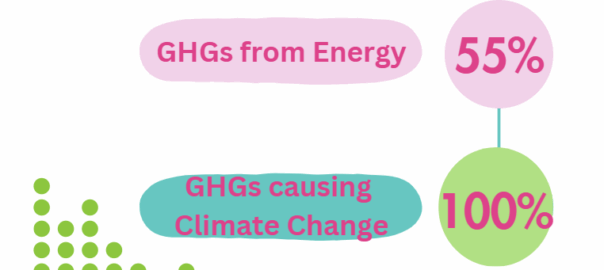
“To achieve net zero greenhouse gas emissions by 2050 and limit global warming to 1.5°C, global net human-caused emissions must be reduced by approximately 45% by 2030 from 2010 levels … andRead More…


” ‘Age doesn’t define maturity, and grades don’t define intellect.’ This highlights that intellectual capacity and emotional maturity are not solely determined by chronological age nor academic achievements. It implies that true wisdomRead More…

“30×30×30: Innovation for Human Rights campaign—a vision to bring 30 transformative solutions to 30 communities by 2030. This initiative unites technology, compassion, and global collaboration to create real change. From AI-based tools…Read More…
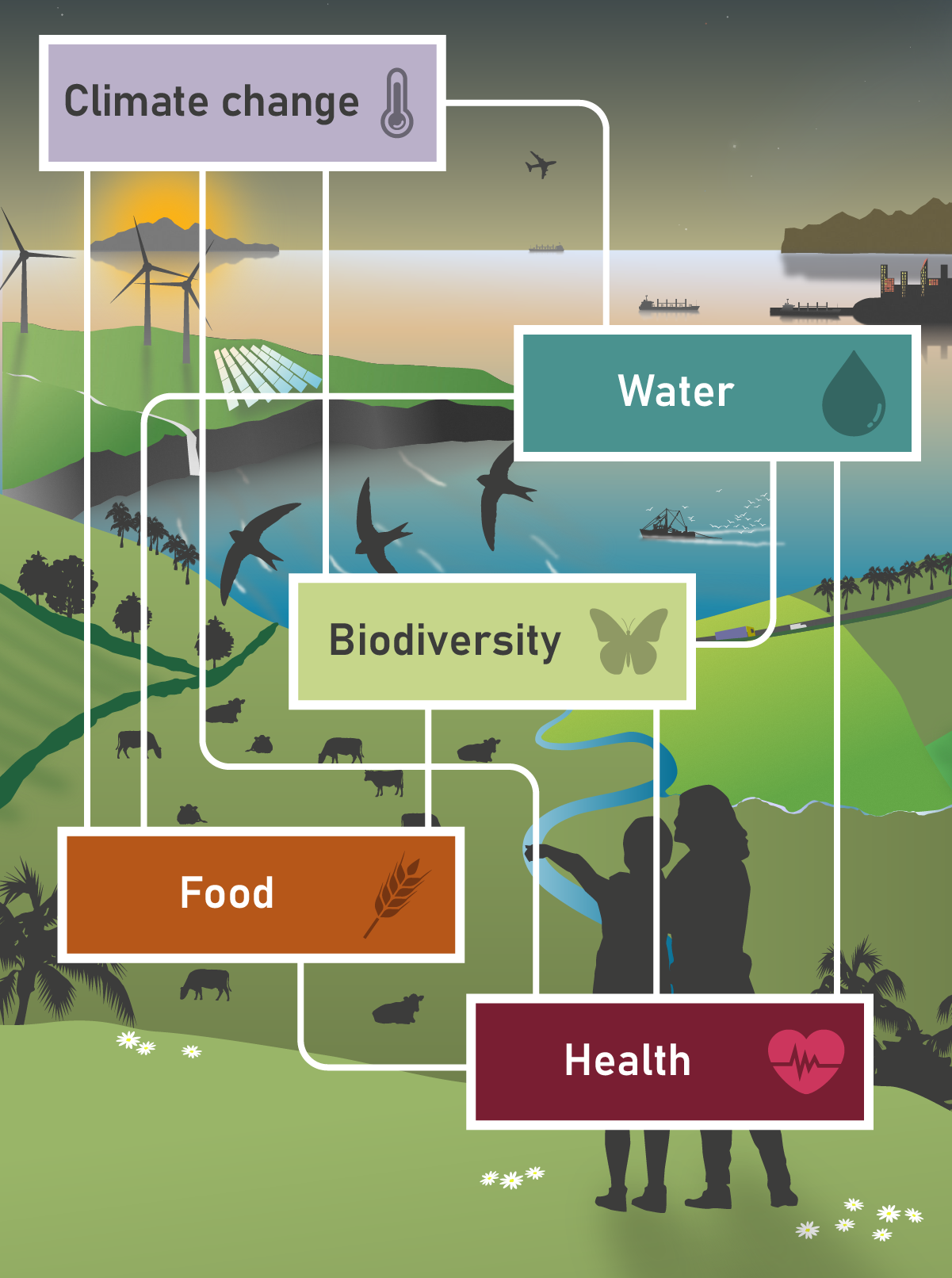
“Experts urge a unified approach to address interlinked global crises of biodiversity loss, climate change and pollution. Integrated solutions are key to building a sustainable future for both people & the planet.” ~ UN Biodiversity. Learn more at this link.
“17.12.2024
A new landmark report provides the most comprehensive assessment to date of the complex interconnections between biodiversity, food security, water availability and quality, health risks and climate change – and outlines solutions that would deliver multiple benefits.
The three-year international study, co-chaired by Professor Paula Harrison of the UK Centre for Ecology & Hydrology (UKCEH), involved 165 international experts in a range of disciplines and was carried out for the Intergovernmental Platform on Biodiversity and Ecosystem Services (IPBES).
While the major global crises facing biodiversity, water, food, health and climate systems are interlinked with the challenges often amplifying each other, the experts say existing governance and actions to address these crises fail to tackle the complexity of interlinked problems and can be ineffective and counterproductive.
They add, biodiversity is declining across every region of the world, largely as a result of human activity, which has direct and dire impacts on food security and nutrition, water quality and availability, health and wellbeing outcomes, resilience to climate change and almost all nature’s other contributions to people.
The Nexus assessment summary was approved on 16 December 2024 at the 11th session of the IPBES Plenary – made up by the representatives of the 147 governments that are members IPBES – at Windhoek, Namibia…” Click here to read more…
Click/tap on image to view full article.

Click/tap Logo to view video. [General users’ tip: Click on the “settings icon-⚙”, then select “Quality” and choose “HD” before viewing a video.]
Users of our web platform and app can improve production processes and/or reduce wastage. They can also verify health related actions; any other sustainable action; set thresholds for use of natural resources; and return any legally obtained waste resource (e.g. bottles, cardboard boxes, food waste, buttons, carnival costumes, construction materials, etc.) for verification, at an approved validator for BitEgreen Notes which is our digital currency.
This ecosystem allows persons with waste materials to identify manufacturers/sorters/artists interested in their resources hassle-free from the comfort of any place of their choosing through the application. The transaction is verified and BitEgreen Notes awarded to persons for supplying or returning the waste.
This digital currency can be used for gamification and to purchase general products and other recyclable materials listed in our marketplace – whether online, in person or in-store.
• Recycling is less energy-demanding than producing new material and helps to reduce emissions; in addition to sparing forest and reducing further biodiversity loss; preventing flooding due to blockages in drainage systems; and reducing places for vector mosquitoes to thrive in stagnant water.
• Preventing food waste can also be actions to reduce hunger, save energy and reduce production of leachate and greenhouse gases–especially methane (𝐶𝐻4) which is a more potent greenhouse gas than 𝐶𝑂2. Methane, can then be captured and used as a renewable energy source (i.e. biogas) or be released into the atmosphere, where methane acts as a potent greenhouse gas. Biogas contains methane (𝐶𝐻4) and carbon dioxide (𝐶𝑂2), and its combustion releases these gases. The widespread use of natural gas, while it may produce lower emissions compared to coal or oil, still contributes significantly to cumulative carbon dioxide emissions globally. Thus, while natural gas is often seen as a transitional fuel to renewables, its role in increasing carbon dioxide levels cannot be overlooked.
• Improving carbon sequestration in soils through facilitating production and use of organic fertilizers from organic waste, while preventing nutrient pollution and loss of biodiversity in water bodies. It is worth noting that while organic fertilizers can reduce emissions from nitrous oxide-N2O (i.e. another potent greenhouse gas) compared to synthetic fertilizers by altering soil microbial communities, their effectiveness depends heavily on the soil environment and management. Vertical farming significantly reduces nitrous oxide (N2O) emissions compared to traditional agriculture but is energy-intensive and often limited to growing certain types of plants, making them unsuitable for crops like root vegetables or grains.
• Reducing misuse or wastage of product resources via incentivizing and enhancing best practices and analysing data can combat energy wastage, wastage of potable water and food, and susceptibility to antimicrobial resistance (AMR) and other health concerns.